

A 13.2kW solar system is one of the most powerful residential solar solutions available in NSW, making it ideal for large Sydney homes with high electricity usage, electric vehicles, pool pumps, and ducted air conditioning.
The total cost of a 13.2kW solar system depends on factors such as panel quality, inverter brand, roof design, and installation requirements. In this guide, you’ll discover current NSW pricing, expected solar output, annual savings, payback periods, and whether a 13.2kW system is the right choice for your property.
In this guide, you’ll learn:
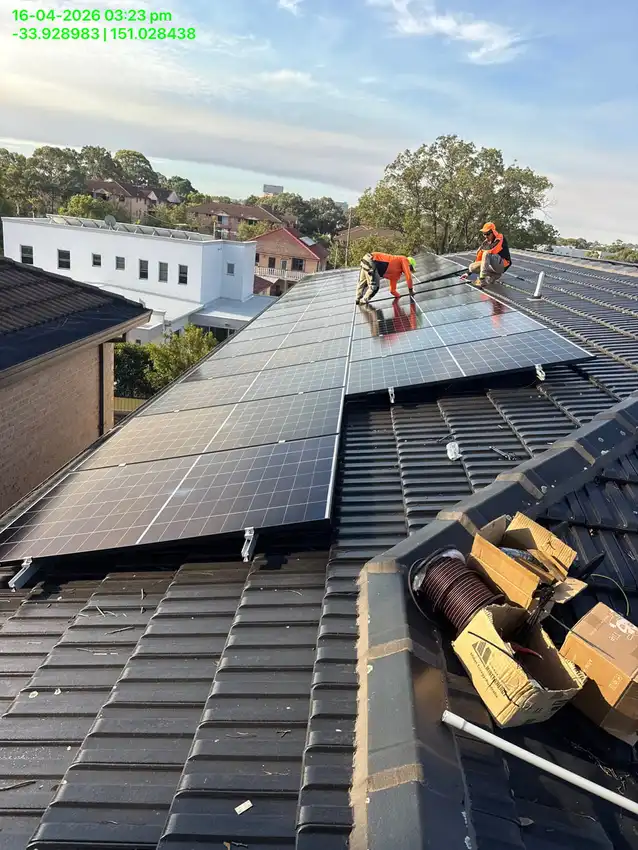
Feature | Details |
System Size | 13.2kW |
Daily Output (Sydney) | 50–65 kWh |
Annual Output | 18,000–23,000 kWh |
Panels Required | 28–32 panels |
Roof Space | 60–80 m² |
Inverter Size | 10kW |
Price Range (2026) | $7,000 – $9,500 |
Payback Period | 2.5 – 5 years |
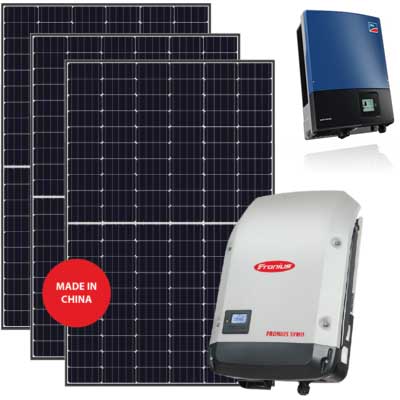
The cost of a 13.2kW solar system in NSW depends on several factors including panel brand, inverter quality, installation complexity, and whether battery storage is included.
Typical 2026 Pricing: $7,000 – $9,500
Price Factors Include:
Larger systems often cost less per watt, making 13.2kW one of the best value systems for high-usage homes.
A typical 13.2kW solar system includes:
This system size is ideal for homes with high daytime usage, EV charging, pool pumps, or small commercial operations.
Solar output depends on sunlight, season, roof orientation, and shading.
In Sydney conditions, a 13.2kW solar system typically generates:
Seasonal Output Table (Improved)
System | Summer | Winter |
6.6kW | 30–35 kWh | 14 kWh |
10kW | 45–55 kWh | 20–25 kWh |
13.2kW | 55–65 kWh | 25–35 kWh |
If your household uses less electricity, a 6.6kW solar system may provide a more cost-effective solution. Learn more about the 6.6 kW solar system
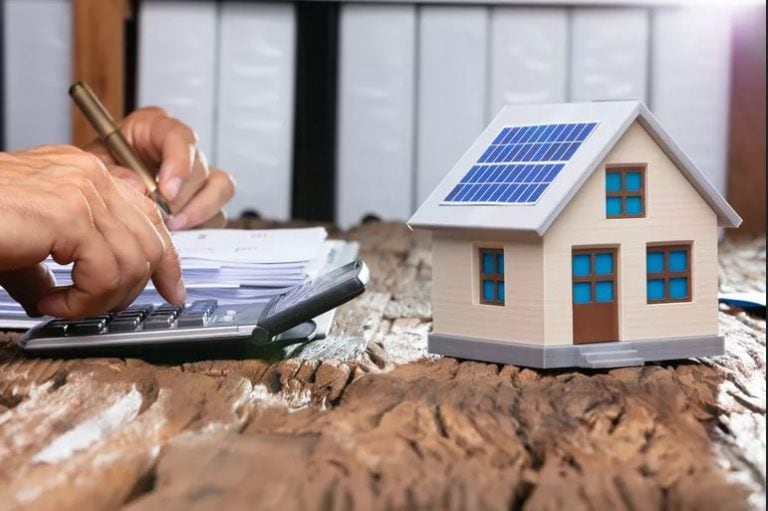
At an average electricity price of 30–35c per kWh in NSW, a 13.2kW system can significantly reduce power bills.
Estimated Savings:
Best suited for:
Many Sydney households compare a 13.2kW system with a 10kW solar system before making a decision.
A 13.2kW system is worth it if your electricity usage is high (above 25–35 kWh per day).
It becomes even more valuable if:
For most Sydney homes, this system offers one of the fastest payback periods.
A 13.2kW system requires:
If roof space is limited:
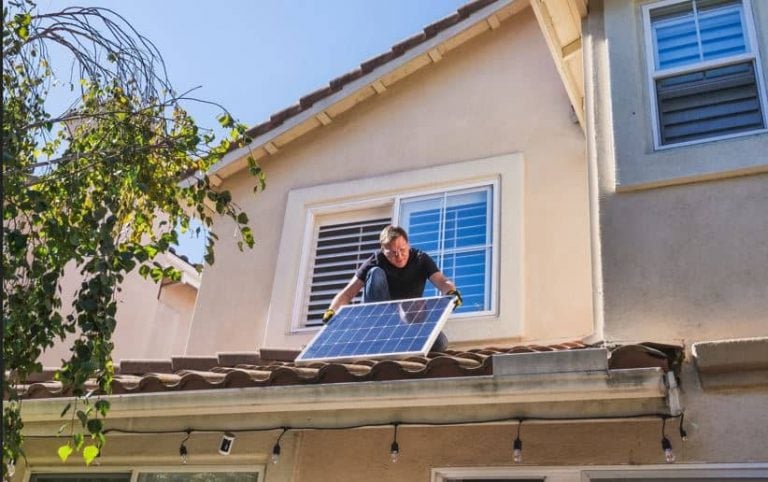
Because more solar panels are necessary for a 13.2kw solar system, it may be slightly larger for a small or typical property. A 5KW solar power system is a suitable choice for a small or medium-sized home. If you’re short on area, you can make do with the rooftop, roof walls, and align the angle of solar panels with the structural shape of the roof.
The 13.2kw solar power system is ideal for commercial and large residential applications with high energy usage. It may be used to power small enterprises and large families. But if you have a big house and the bill is higher than $500 then you can go for a 13kw solar system also. A 13.2kw solar panel system is optimal for both energy consumption and savings if you have a suburban home, an industrial unit, commercial property, or a warehouse. Solar power systems are suitable for everyone and every property; all you need to consider are the parameters impacting power output, installation space, and your geographical climatic conditions.
A 13.2kw solar panel system will be productive and profitable if all circumstances are favorable at your location and you have the space available. It will also have a short payback period and provide efficient power output to meet personal needs as well as feedback into the electric grid for energy transmission.
Yes, it can comfortably support both in most homes.
Typically between 2.5 to 5 years in NSW.
Silicon is the main element of a solar panel. If you maintain and properly clean solar panels, they can last for at least 25 years. However, they lose productivity over time. Most of the panels come with a 20- 25 year output warranty. Low-cost solar panels use materials with lower long-term durability, and some have begun to fail in Australia’s severe climate.
You can figure out how many solar panels you’ll need. To calculate your household’s energy demand, you divide your area’s peak sunlight hours by the wattage of each panel. To create a range, use a low-wattage (150W) and a high-wattage (370W) example (ex: 17-42 panels to generate 11,000 kWh/year).
How many solar panels does it take to power a typical home? According to Garrison, the average residence is about 207 square meters, according to the Australian Bureau of Statistics with monthly electricity bills of around $300. To totally meet the electrical power needs of such a house, around 6.6 kW panels are required.
Solar Energy Cost Disadvantages The cost of purchasing a solar system is relatively expensive at first.
Dependent on the weather. Although solar energy can be collected during overcast and rainy days, the solar system’s efficiency is reduced.
It’s Expensive to Store Solar Energy.
It takes up a lot of room.
Pollution is linked to this term.