
10kW Solar System Sydney – Price, Output, Rebates & Installation
A 10kW solar system is one of the most popular choices for medium‑to‑large homes and small businesses in Sydney. With high energy output, strong government rebates, and fast payback periods, it’s an excellent long‑term investment for reducing electricity bills.
As Australia continues to embrace the move to a greener future, the attractiveness of solar energy becomes increasingly apparent. Solar power has gone from a specialist interest to a mainstream necessity, thanks to its ability to cut both carbon footprints and energy expenses. This is especially noticeable in Sydney.
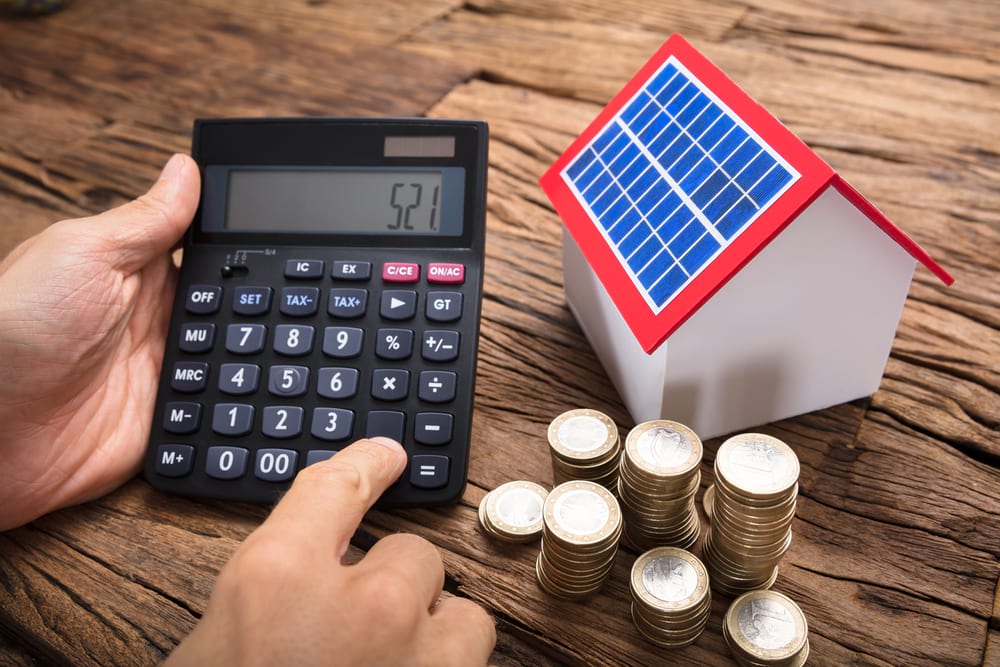
What Is a 10kW Solar System?
A 10kW solar system is a high-capacity photovoltaic setup designed to generate substantial electricity for homes or commercial properties with high daily usage.
Typical System Components:
- 22–19Tier-1 solar panels (475W–515W)
- 10kW three-phase inverter
- CEC-approved mounting system
- Smart monitoring software
This system is ideal for Sydney’s sunny climate and high power demand.
Who Should Install a 10kW Solar System in Sydney?
A 10kW solar system Sydney homeowners choose usually suits:
- Large families (5+ people)
- Homes with EV chargers
- Houses with pool pumps
- Small offices or workshops
- Businesses operating during daylight hours
If your daily usage exceeds 35–40 kWh, this system makes sense.
10kW Solar System Price in Sydney
In 2026, the cost of a 10kW solar system in Sydney varies depending on several key factors:
- Solar panel brand & efficiency (Tier 1 vs premium)
- Inverter type (string, hybrid, or microinverters)
- Roof type, height & installation complexity
- Whether a battery is included
- Smart monitoring & additional safety components
Government Rebates (STCs)
Although Small‑scale Technology Certificate (STC) values have gradually reduced in 2026, they still provide a significant upfront discount for homeowners installing a 10kW system. These rebates help keep solar installations highly affordable and continue to support Sydney households in transitioning to clean, renewable energy.
How Much energy can be generated by this system?
The amount of energy generation by a 10kw Solar system depends on:
- Location of the House
- Position of the Panels
- Local climate
- Sunlight peak hour
- Angel of the panels.
- Position of the system
- Shade casting
- Quality of the panels
- Individual performance of battery, inverter, and panels.
Depending on the above factors, a 10 kW solar system produces the following:
- 36–48 kWh per day (average)
- Up to 52 kWh/day in summer
- Around 32–38 kWh/day in winter
- 13,000–16,000 kWh per year
Ideal Panel & Inverter Options
Recommended Solar Panels:
- Tier-1 monocrystalline panels
- 475W–515W output
- 25-year performance warranty
Inverter Options:
- Fronius
- Sungrow
- SMA
- GoodWe
Choosing reliable brands improves lifespan and ROI.
How much roof space is required for a 10kw Solar System?
Before installation, ensure:
- 45–55 m² of roof space
- Minimal shading
- North or west-facing orientation
- Three-phase power preferred
A professional site inspection is essential.
Residential vs Commercial 10kW Systems
Feature | Residential | Commercial |
Usage Pattern | Morning & evening | Daytime |
ROI | 3–4 years | 2.5–3 years |
Battery | Optional | Rare |
Both benefit from Sydney’s solar conditions.
Savings, ROI & Payback Period
A 10kW solar system offers substantial financial benefits when designed and used correctly, especially through higher self-consumption and smart energy usage. By using most of the solar power on-site and exporting excess energy via the feed-in tariff, homeowners can significantly reduce electricity bills while generating long-term returns. System performance depends on location, energy consumption patterns, roof layout, and electricity prices, but overall, a 10kW system remains one of the most cost-effective solar investments in Australia.
With proper usage:
• Annual savings: $3,000–$4,000
• Payback period: 3–4 years
• Lifetime savings: $60,000+
That’s real money staying in your pocket.
Battery Compatibility
A 10kW system pairs well with:
- 10–20 kWh battery storage
- Backup power options
- EV charging integration
Battery-ready systems future-proof your investment.
Common Mistakes to Avoid
- Choosing cheap non-Tier-1 panels
- Ignoring inverter quality
- Not optimizing panel layout
- Skipping energy usage analysis
- Hiring non-accredited installers
Avoid these, and your system will perform flawlessly.
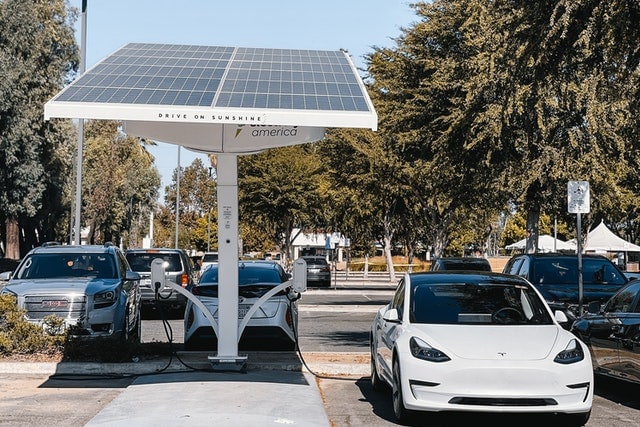
Why Should You Invest in a 10KW Solar System?
It is important to know your average daily electricity consumption to analyze whether 10kw is enough for you. If your daily power consumption is between 36 – 48 kwh, then you must go with a 10 kw system because it is ideal for homes or businesses that use 40kwh of electricity per day during daylight hours. A 10kW system will generate the same amount of electricity daily and also allow you to increase your daily electricity usage if needed.
One crucial point to remember is that all heavy equipment should not be run at the same time, and the time used to operate this equipment should be divided so that the electricity generated may meet all of your needs.
While 5kw and 6.6kw systems are common in Sydney, the 10kw system is also growing in popularity. This system is ideal for homes or businesses with an average daily electricity consumption of 40 kWh.
Can I install a 10kw solar system in single phase?
In Sydney, NSW, a single-phase connection is allowed to have a solar system sized up to 6.5 kW, and a three-phase connection is allowed to install a solar system sized up to 30 kW. Most businesses have a three-phase connection, but in terms of houses, a single-phase connection is common in Sydney. But many houses have a three-phase connection. So a 10 kw system is allowed for those houses that have a three-phase power connection.
Australia’s Capital cities wise Solar Energy chart :
| 10kW solar system output by capital city (per day) | |
| Adelaide | 36 – 41 kWh |
| Brisbane | 39 – 41 kWh |
| Canberra | 36 – 41 kWh |
| Darwin | 42 – 46 kWh |
| Hobart | 29 – 33 kWh |
| Melbourne | 31 – 36 kWh |
| Perth | 40 – 44 kWh |
| Sydney | 35 – 40 kWh |
This system produces enough power for a big house if the bill is above $600 per quarter.
It is also said that 40kw per day is enough to run 2-3 houses in Sydney. That means it produces approximately 12000 kilowatt-hours a year.
But the power generation changes with the season. Solar panels generate more energy in summer while solar panels generate less energy in winter than in summer.
Battery Backup with the System:
It is really great that a 10kw solar system can add battery backup. The battery backup allows using solar energy both day and night. It can be connected with any compliances or electric property of your house to absorb the power directly. But it can prolong the backup period as it costs a little higher.
It will cost you $10000 to $12000 for the package of 10kw Solar System with a battery backup. The price is not so low I must say.
Usual grid-connected solar is made to export excess electricity on its own, but while connected to the battery it is not able to do so.
Moreover, while one can use a 10kw solar system for 25 years without replacing, (with a low maintenance cost) the battery would need a replacement after 10 years. This is not an advantage.
What size inverter for 10kw solar system?
For a 10 kW solar system, the ideal size of the inverter would be 8.2 kW, because according to the rule, one can have a solar system oversized by 133% in Australia. You can also use a 10 kW inverter, but an 8.2 kW inverter would be more appropriate because
- It produces more power.
- Easy to get connected with the electrical grid.
- It certainly saves money to install a system with a panel capacity bigger than inverter capacity.
- Inverter determines the maximum panel capacity
The 10 kW solar system also needs a three-phase connection. It would be costly to install a 10 kW solar system with a single-phase connection because additional changes need to be done
Another important implication of size limitations is solar feed-in tariff eligibility. iSystems over a certain size may be approved for installation, but not for exporting energy to the grid, which means no solar feed-in tariff benefit. This in turn means that the household in question should do everything they can to self-consume as much solar energy as possible to ensure that none of it is wasted. Sometimes, the feed-in tariff limit is set by your electricity retailer into the network.
Another perfect size for high energy-consuming houses and businesses with small needs is a 15 kW Solar system. It occupies more space on the roof as it consists of 37 to 40 panels depending on the capacity of each panel.
It will cost around $9400 to get the whole 15 kW solar system in Sydney.
Solar World Power offers a lower price for the package.
FAQ.
No, it’s ideal for large households with high electricity usage.
Usually 1–2 days in Sydney.
Yes, you can install a 10kW solar system on a single-phase home. Single-phase inverters are acceptable for up to 10kW solar system.
Yes, an air Conditioner can run with a 10kW solar System. Pv system AC can be a great way to save the environment and your money.
Yes, via feed-in tariffs.
25+ years with proper maintenance.
Absolutely—battery-ready systems allow easy upgrades.
Conclusion
A 10kW solar system in Sydney is a powerful, future-ready solution for reducing energy bills and gaining independence from rising electricity costs. With the right installer, quality components, and government rebates, it’s a decision that pays off for decades. If you want maximum output, long-term savings, and peace of mind—this system delivers.
We are dedicated, passionate, and committed to renewable energy, and eager to contribute our share to better the environment.
Get a Quote