

Home / Solar Panels / AIKO Solar Panels Sydney
2026 BUYER'S GUIDE
An installer’s honest guide to AIKO’s ABC technology, Neostar models, Sydney pricing, battery pairings and the downsides worth weighing before you sign a quote.
By [Author Name], CEC-accredited solar designer · Reviewed 13 Oct 2026 · 14 min read
25.0%
475–500 W
25 / 30 yr
−0.26%/°C
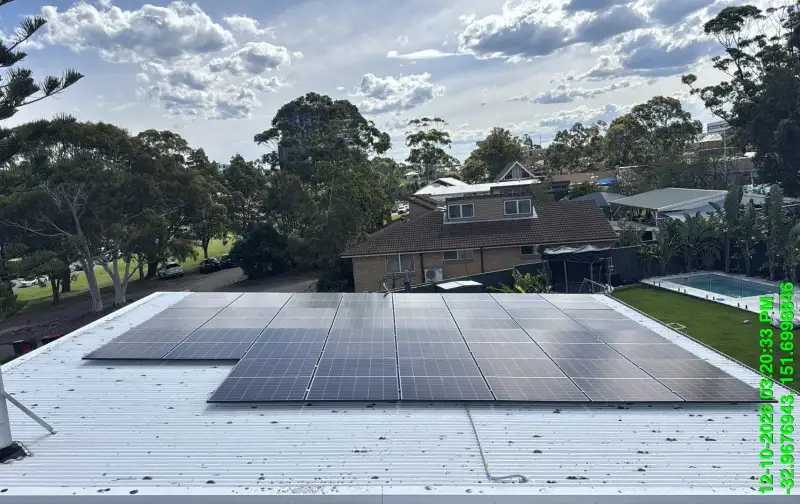
If you have been collecting solar quotes in Sydney this year, there is a good chance one name keeps appearing at the top of the premium option: AIKO. Two years ago most homeowners had never heard of the brand. Today, AIKO solar panels are on rooftops from Rose Bay to the Hills District, and installers are recommending them alongside long-established names like REC and Maxeon (SunPower).
AIKO Energy is a Chinese solar manufacturer founded in 2009. It built its reputation making solar cells for other brands before launching its own modules, and it officially entered the Australian market at Smart Energy 2024 at ICC Sydney, with major distributors including Solar Juice and Tradezone signing on. Its Australian office is in Melbourne and its panels are listed by the Clean Energy Council (CEC), which means they are eligible for the STC rebate.
Free on-site assessment and a fixed-price quote with all rebates included.
What makes AIKO different is its ABC (All Back Contact) technology. By moving every electrical contact to the back of the cell, AIKO panels capture more sunlight, cope better with partial shade and look completely black on the roof. The current Neostar range reaches up to 25% module efficiency, which puts it among the highest efficiency solar modules you can buy for a home in Australia.
AIKO Energy entered Australia at Smart Energy 2024 in Sydney and is now one of the premium brands installers recommend most. Its All Back Contact (ABC) cells put every contact on the back, so panels capture more light, cope better with shade and look completely black.
AIKO solar panels are N-type, back-contact solar modules made by AIKO Energy (listed in China as Shanghai Aiko Solar Energy). For homes, AIKO sells the Neostar series. For commercial roofs it sells Comet, and for solar farms it sells Stellar.
Every Neostar panel uses N-type silicon. N-type cells resist light-induced degradation better than the older P-type PERC cells that dominated Australian rooftops for a decade. That is one reason AIKO can offer a first-year degradation of no more than 1% and no more than 0.35% per year after that.
AIKO is a BloombergNEF Tier 1 manufacturer. In 2026 it was also named a PVEL Top Performer and picked up a SolarQuotes Installers’ Choice award for best panels. Those independent signals matter, because they come from bankability analysts, a test laboratory and Australian installers rather than from AIKO’s marketing team.
When Professor Martin Green of UNSW, widely regarded as the father of modern photovoltaics, spoke at AIKO’s Sydney launch in 2024, he praised its work on back-contact cell structures. For a brand that is new to Australian homeowners, that is a meaningful endorsement from Sydney’s own solar research community.
Source: AIKO Australian launch, March 2024
AIKO’s All Back Contact technology puts every positive and negative contact on the rear of the solar cell, leaving the front surface completely clear to absorb sunlight. That single design change is responsible for almost every advantage AIKO claims.
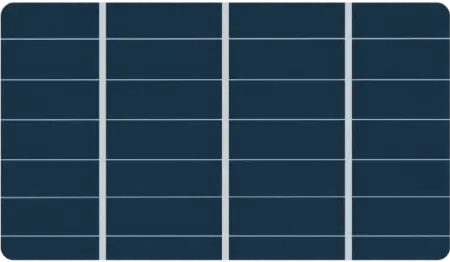
Look closely at a standard solar panel, and you will see thin silver lines (busbars and fingers) running across each cell. They collect the electricity, but they also block a little sunlight. On a typical TOPCon or PERC cell, those front contacts shade around 2–3% of the surface.
ABC cells move all of that wiring underneath. AIKO’s third-generation “Infinite” modules go further, using zero-busbar connections and overlapping cells so that more than 99% of the circuit area is active cell. The result is more power from the same footprint.

Higher efficiency means more watts per square metre of roof. The Neostar 3P54 is rated at up to 25.0% efficiency and up to 500 W, in a module of roughly 1.76 m × 1.13 m. A typical 440 W TOPCon panel of similar size sits around 22.5%.
AIKO panels also have a temperature coefficient of −0.26% per °C. On a 40°C January day in Western Sydney, when panel cells can exceed 65°C, that lower coefficient means the panel loses less output to heat than most mainstream panels, which commonly sit between −0.29% and −0.35% per °C.
Sydney rooftops are rarely perfect. Chimneys, vent pipes, jacarandas, gum trees and neighbouring two-storey homes all cast moving shadows. In a conventional panel, a shaded cell can force the bypass diodes to switch off a third of the panel.
AIKO’s ABC cells are designed with a partial shading optimisation feature, which lets current flow around a shaded cell rather than dragging the whole cell string down. In practice, that means a leaf, a bird dropping or a sliver of shadow costs you less energy. It is not a replacement for good design or microinverters on badly shaded roofs, but it is a genuine advantage.
Because there are no silver lines on the front, AIKO panels look uniformly dark. The all-black versions (the Neostar “S” models) add a black backsheet and black frame for a completely seamless finish. For terraces in Paddington, Federation homes in Haberfield or new builds in Box Hill, that clean look is often the deciding factor.
The back-contact design also improves durability. AIKO’s linear rear soldering spreads mechanical stress more evenly, which reduces the risk of micro-cracks from hail, foot traffic and thermal cycling.
Up to 25.0% and 500 W in a ~2 m² module, vs about 22.5% for a typical 440 W TOPCon panel.
Partial shading optimisation routes current around a shaded cell, so chimneys and gums cost less.
−0.26%/°C holds output on 40°C Western Sydney afternoons.
No silver lines on the front, ideal for terraces and Federation homes.
Sydney homeowners want more solar from limited roof space as they add batteries, EVs and electric appliances. Here is how that plays out.
NSW default offers fell 3.4–7.7% from July 2026, but Ausgrid network charges rose 9.7%. Self-use now beats exporting.
An EV doing 12,000 km a year needs about 2,000 kWh, roughly 2–3 kW of extra solar.
More surplus per square metre means your battery fills every day, even in winter.
A 20-panel roof gets about 10 kW with AIKO, vs 8.8 kW with standard 440 W panels.
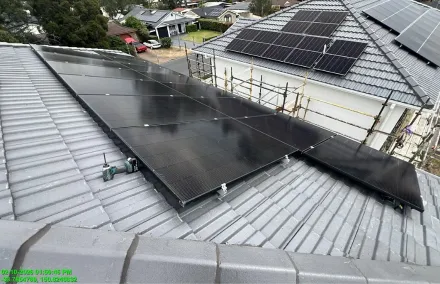
MINCHINBURY · 10.78KW ,
22 panels fit: plus battery covers for evening use and most EV charging.
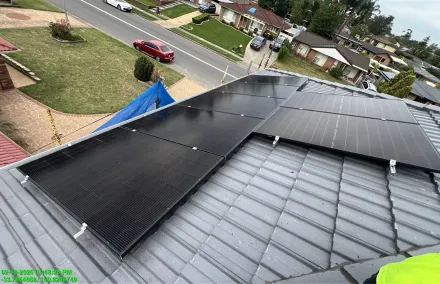
CASTLE HILL · 6.86 kW + 27.84 kWh FoxEss BATTERY
10 kW inverter with AIKO instead.
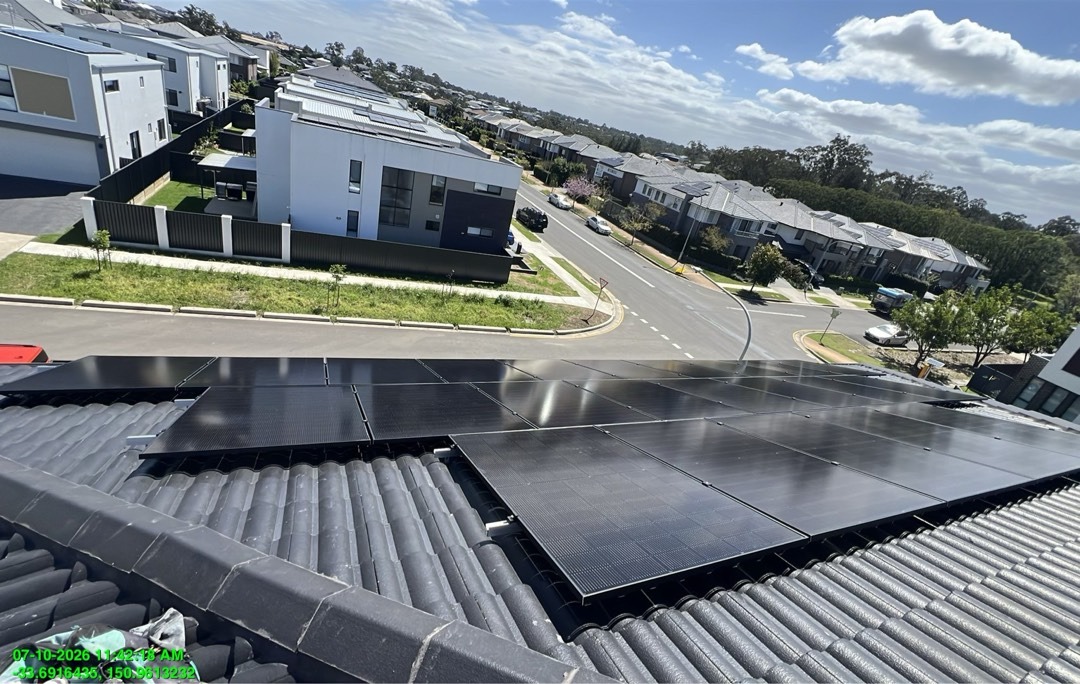
NORTH KELLYVILLE · 13.2KW
490W x 27, 13.23 Kw , 10kW inverter.
In Sydney the choice usually comes down to three options. All use N-type ABC cells and a −0.26%/°C temperature coefficient.
BEST VALUE
450–485 W
Up to 24.3% · 2nd generation · 25/30-yr warranty
MAX OUTPUT
475–500 W
Up to 25.0% · 3rd gen Infinite · 25/30-yr warranty
BEST LOOKS
440–495 W
2S and 3S models · fully black finish
| Model (54-cell) | Generation | Power (W) | Max efficiency | Warranty | Best for |
|---|---|---|---|---|---|
| Neostar 2P54 | 2nd | 450–485 | 24.3% | 25 / 30 yr | Value premium |
| Neostar 3P54 | 3rd (Infinite) | 475–500 | 25.0% | 25 / 30 yr | Small roofs |
| Neostar 2S54 All Black | 2nd | 440–470 | ~23.6% | [CHECK] | Heritage roofs |
| Neostar 3S54 All Black | 3rd (Infinite) | 465–495 | [CHECK] | [CHECK] | Looks + output |
AIKO’s Neostar 3P sits at or near the top for residential efficiency, but Jinko’s Tiger Neo 3.0 has narrowed the gap. The real differences are cell technology, shading, warranty and the company behind it.
| Brand | Cell tech | Power (W) | Max eff. | Temp. coeff. | Warranty |
|---|---|---|---|---|---|
| AIKO Neostar 3P | ABC back contact | 475–500 | 25.0% | −0.26%/°C | 25 / 30 yr |
| Jinko Tiger Neo 3.0 | TOPCon | ~490 | ~24.5% | −0.26%/°C | 25 / 30 yr |
| REC Alpha Pure-RX | HJT | ~450–470 | ~22.6% | −0.26%/°C | 25 / 25 yr |
| Trina Vertex S+ | TOPCon | ~430–455 | ~22.8% | ~−0.29%/°C | 25 / 30 yr |
| SunPower Maxeon 7 | IBC back contact | ~425–445 | ~24.1% | ~−0.27%/°C | 40 / 40 yr |
Figures marked ~ are approximate; check current Australian datasheets. Maxeon was placed under judicial management in Singapore in May 2026.
AIKO solar systems typically cost around 10-20% more than standard Tier 1 TOPCon systems, but their industry-leading efficiency often means fewer panels are required to achieve the same energy output. For most Sydney installations, AIKO systems generally range between $950-$1,150 per kW installed* (after applicable STC rebate incentives). Actual pricing varies based on roof design, system size, installation requirements, and battery readiness. For accurate pricing, request a personalised solar assessment.
System Size: 6.6 kW
Daily Yield: ~24–27 kWh/day
Panel Count: ~14 AIKO Panels
Best Suited For: Small households or budget-conscious buyers seeking premium efficiency.
System Size: 10 kW
Daily Yield: ~37–42 kWh/day
Panel Count: ~20–21 AIKO Panels
Best Suited For: Medium to large families running air conditioning, EV chargers, or working from home.
MOST POPULAR
System Size: 13 kW
Daily Yield: ~48–54 kWh/day
Panel Count: ~26–27 AIKO Panels
Best Suited For: High-energy households with ducted heating/cooling, swimming pools, or future battery addition.
System Size: 15 kW+
Daily Yield: ~55–62+ kWh/day
Panel Count: 30+ AIKO Panels
Best Suited For: Large residential properties, multi-generational homes, or commercial/heavy energy users.
Sydney is STC Zone 3 with a five-year deeming period in 2026.
~$1,700 on 6.6 kW (~45 STCs)
~$2,600 on 10 kW (~69 STCs)
No separate NSW cash rebate for panels; the STC falls every 1 January to 2030.
AIKO panels make more surplus per square metre, exactly what a battery needs. The federal Cheaper Home Batteries Program is worth about $250–$270 per usable kWh on the first 14 kWh through December 2026, and NSW adds the PDRS VPP incentive.
OUR #1 BEST SELLER
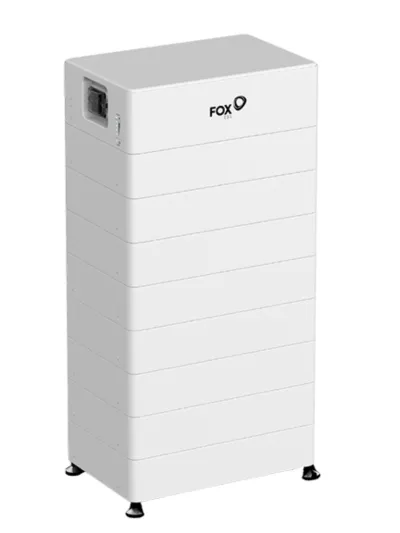
Modular and expandable, VPP-ready, best value for most Sydney families. [CAPACITY · WARRANTY]
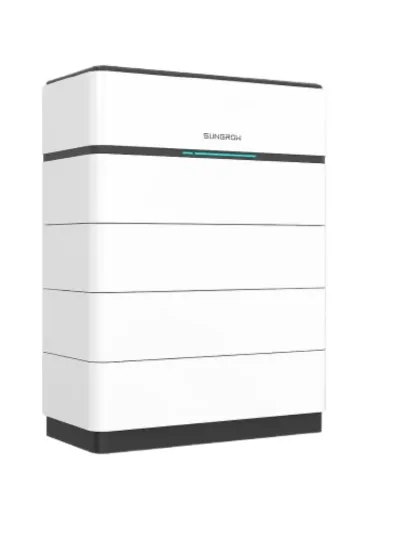
Proven modular batteries with strong NSW support. Mid-premium.
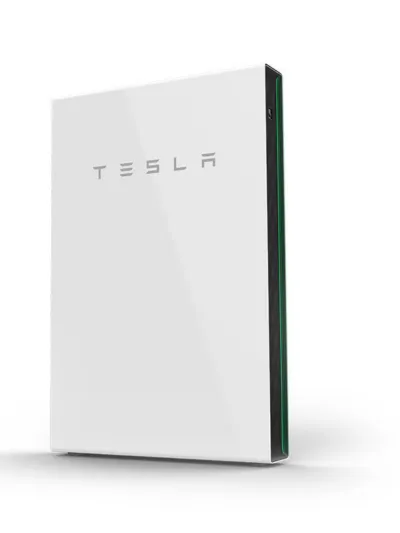
13.5 kWh with a built-in solar inverter and full-home backup.
Rule of thumb: pair every 10 kWh of usable battery with at least 8–10 kW of AIKO solar.
Neostar 2P and 3P carry a 25-year product and 30-year performance warranty in Australia, about 88.85% of rated output at year 30. AIKO supports customers from its Melbourne office and a local 1300 line.
1
AIKO covers the panels for 25 years.
2
Solar World Power covers the install for [X] years.
3
Rights beyond any written warranty.
Sydney homeowners want more solar from limited roof space as they add batteries, EVs and electric appliances. Here is how that plays out.
NSW households did get some relief in 2026. The Australian Energy Regulator’s final Default Market Offer cut NSW residential standing-offer prices by roughly 3.4% to 7.7% from 1 July 2026. But that dip follows several years of steep rises, and Ausgrid’s own pricing proposal lifts average network charges by 9.7% for 2026–27.
Meanwhile, solar feed-in tariffs in NSW remain low, often only a few cents per kWh. That changes the maths. The value of solar now comes from using your own power, not exporting it. A system that produces more in the morning, late afternoon and on cloudy days, which is where AIKO’s low-light and shading performance helps, gives you more energy to use yourself.
The new Solar Sharer Offer, which retailers must provide from July 2026, adds another twist. It gives households cheap or free grid power during the middle of the day, so the strongest business case for solar in 2026 is a well-sized system paired with a battery that covers your evening peak.
An electric vehicle travelling 12,000 km a year uses roughly 2,000 kWh of electricity. Charging that from the grid at peak rates can add hundreds of dollars a year. Charging it from your own roof costs almost nothing.
The catch is that most Sydney homes need an extra 2–3 kW of solar to cover an EV, and many roofs are already full. Higher-wattage AIKO panels let you fit that extra capacity without spilling onto a poorly oriented roof face.
Batteries are now the main reason Sydney families upgrade their solar. The federal Cheaper Home Batteries Program, combined with NSW incentives, has made home batteries far more affordable since July 2025. But a battery is only useful if you have enough surplus solar to fill it every day.
A 13 kW AIKO system can generate enough surplus on a typical Sydney day to cover household loads and charge a 10–15 kWh battery, even in winter. We cover battery pairings in detail below.
Sydney has some of the most space-constrained roofs in Australia. Terraces in Surry Hills, semis in Marrickville, townhouses in Parramatta and complex hip roofs in the Sutherland Shire all limit how many panels you can fit.
Because a 500 W AIKO panel occupies roughly the same area as a 440 W standard panel, you gain around 10–14% more capacity in the same space. On a roof that fits 20 panels, that is the difference between about 8.8 kW and 10 kW.
NSW default offers fell 3.4–7.7% from July 2026, but Ausgrid network charges rose 9.7%. Self-use now beats exporting.
An EV doing 12,000 km a year needs about 2,000 kWh, roughly 2–3 kW of extra solar.
More surplus per square metre means your battery fills every day, even in winter.
A 20-panel roof gets about 10 kW with AIKO, vs 8.8 kW with standard 440 W panels.
Yes. They are premium N-type ABC modules with up to 25% efficiency, a 25-year Australian product warranty and BloombergNEF Tier 1 status. They were named PVEL 2026 Top Performers and won SolarQuotes Installers’ Choice 2026.
AIKO Energy is a Chinese manufacturer founded in 2009, with major factories in China. It supports Australian customers from a Melbourne office and a local service line.
A 6.6 kW AIKO system typically costs around $6,500–$9,500 fully installed after the STC rebate, and a 10 kW system around $9,500–$14,000.
AIKO panels are more efficient than REC’s Alpha Pure-RX (up to 25.0% vs about 22.6%). REC has a longer Australian track record. Both are excellent premium choices.
ABC stands for All Back Contact. Every electrical contact sits on the back of the cell, so the front captures more sunlight, handles partial shade better and looks completely black.
Neostar 2P and 3P panels come with a 25-year product warranty and a 30-year performance warranty, guaranteeing around 88.85% of rated output at year 30.
Better than most. Partial shading optimisation lets current bypass a shaded cell. Heavily shaded roofs may still need microinverters or optimisers.
Yes. AIKO panels are CEC-listed, so they qualify for the federal STC rebate, roughly $1,700 on a 6.6 kW system in Sydney in 2026. A battery can also attract the Cheaper Home Batteries discount and the NSW PDRS VPP incentive.
AIKO panels work with any quality battery. Popular Sydney pairings are FoxESS (such as the FoxESS CQ7), Sungrow and Tesla Powerwall 3.
The Neostar 3P for maximum output on smaller roofs, the Neostar All Black for street-facing roofs, and the Neostar 2P for value.