
Residential and Commercial Solar panel Installer
Residential and Commercial Solar panel Installer
The Australian solar battery market is no longer limited to just a handful of premium brands. Over the last two years, consumers have become far more open to alternative battery systems that offer strong performance without the extremely high price tags associated with premium energy storage solutions. This is where Swatten Battery enters the conversation. Swatten is a battery and inverter brand operating under the umbrella of Sieyuan Electric, a company known internationally for electrical and energy solutions. The brand focuses primarily on residential and small commercial battery storage systems.
One reason Swatten is generating interest is its strong emphasis on modular scalability. Many Australian households are now planning for future energy needs, including electric vehicle charging, air-conditioning expansion, and growing electricity consumption. Swatten’s modular battery architecture allows homeowners to expand battery capacity gradually instead of investing in oversized systems from day one. That flexibility appeals strongly to cost-conscious Australian families who want room for future upgrades without replacing their entire setup later.
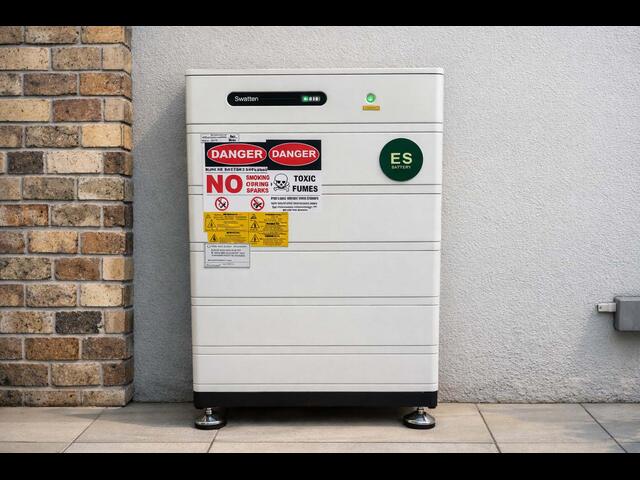
One of the biggest deciding factors when choosing a solar battery is technical performance. Homeowners want a system that balances storage capacity, efficiency, safety, warranty protection, and compatibility with existing solar infrastructure. Swatten appears to understand these priorities well, especially for Australian residential installations.
According to industry review sources, the Swatten F1 Series supports modular expansion from around 9.6 kWh up to approximately 25.6 kWh. That range is highly suitable for Australian households because energy consumption varies dramatically between homes. A small family with moderate evening usage may only require 10 kWh storage, while larger households running pools, ducted air conditioning, or EV chargers may need significantly more capacity.
The system uses LiFePO4 battery chemistry, also known as lithium iron phosphate. This chemistry has become increasingly popular across the solar battery industry because it offers better thermal stability and safety compared to some older lithium technologies. Australian consumers are extremely conscious of safety, especially after seeing global stories about overheating batteries and electrical fires. LiFePO4 technology provides stronger peace of mind while also delivering excellent cycle life.
Another attractive feature is Swatten’s natural convection cooling system. Unlike some batteries requiring active fan cooling, natural cooling reduces noise and lowers maintenance complexity. This makes installation easier for homes where batteries are placed close to living areas or garages.
Here is a simplified comparison of key Swatten battery specifications:
Feature | Swatten F1 Series |
Battery Chemistry | LiFePO4 |
Capacity Range | 9.6 kWh – 25.6 kWh |
Protection Rating | IP65 |
Cooling Method | Natural Convection |
Warranty | 10 Years |
Communication | CAN / RS485 |
Expandable Design | Yes |
Suitable For | Residential & Small Commercial |
The 10-year warranty aligns with market expectations in Australia. Most reputable battery manufacturers now offer warranties around this range because homeowners expect long-term value from energy storage investments. Swatten also advertises around 6000 charge cycles, which suggests reasonable long-term durability under normal residential use.
Installing a solar battery is not simply a plug-and-play process. A professionally designed system must consider solar generation patterns, household energy usage, switchboard compatibility, inverter configuration, and future electricity needs. This is why homeowners should always work with accredited solar installers instead of choosing the cheapest quote available online.
The first stage of Swatten battery installation typically involves a detailed site assessment. During this process, installers review your existing solar system, roof orientation, electricity bills, and daily usage behaviour. Homes with strong daytime solar generation but heavy evening consumption usually benefit most from battery storage. Many Sydney homeowners discover they export large amounts of electricity during the day while buying expensive electricity back at night. A battery solves that imbalance.
Installation complexity can vary significantly depending on the age of the property. Older Australian homes sometimes require switchboard upgrades before batteries can be installed safely. Reddit discussions from Australian homeowners reveal that switchboard compatibility issues remain one of the most common unexpected costs during battery installations. This is why transparent quoting is critical before committing to any installer.
Once the hardware is installed, the system is connected to a monitoring platform that allows homeowners to track solar production, battery charging, and household consumption in real time. Smart monitoring has become essential in modern solar systems because it helps users optimise energy usage habits. Many Australians are now deliberately shifting appliance usage into solar production windows to maximise battery efficiency.
Professional installation also matters because government rebates generally require accredited installers and approved battery systems. Incorrect installations can void warranties, reduce efficiency, or create long-term reliability problems. As battery demand surges across Australia, homeowners should prioritise experienced installers with strong after-sales service instead of rushing into low-cost deals.
Choosing a battery system can feel overwhelming because the Australian market now contains dozens of competing brands. Tesla, Sungrow, FoxESS, BYD, Sigenergy, and many newer entrants are all competing aggressively for market share. Swatten’s biggest challenge is proving itself against these well-established competitors.
Tesla remains the most recognised home battery brand globally. Its sleek design, strong app ecosystem, and brand prestige attract many homeowners. However, Tesla systems often come with higher upfront costs. Swatten may appeal more to budget-conscious households wanting modular flexibility without paying premium-brand pricing.
FoxESS has gained popularity in Australia because of competitive pricing and solid hybrid inverter compatibility. Swatten competes closely in this space. Both brands target homeowners wanting practical battery storage without luxury pricing.
Sungrow remains one of the strongest competitors because of its established Australian installer network and proven performance. Swatten still has less market recognition, which may influence buyer confidence. However, emerging brands sometimes offer stronger value propositions to gain traction.
Here is a quick comparison table:
Brand | Strength | Potential Limitation |
Swatten | Modular, affordable, IP65 design | Smaller Australian presence |
Tesla | Premium ecosystem | Expensive |
FoxESS | Budget-friendly hybrid systems | Mixed installer experiences |
Sungrow | Strong reputation in Australia | Premium pricing in some markets |
Community discussions online also highlight an important factor many buyers overlook: installer quality matters just as much as the battery brand itself. Poor installation or weak after-sales support can turn even premium hardware into a frustrating experience.
The answer depends heavily on the homeowner’s priorities, budget, and energy goals. Swatten appears to offer a balanced combination of scalability, modern battery chemistry, weather protection, and competitive pricing. For Australian homeowners looking beyond ultra-premium brands, Swatten may represent a practical mid-market solution.
The system is especially attractive for:
Still, there are factors buyers should evaluate carefully before purchasing. Swatten’s Australian installer network is not yet as extensive as some larger competitors. Brand familiarity also influences resale confidence and long-term support expectations. Homeowners should verify warranty conditions, local installer availability, and after-sales response times before signing contracts.
Battery adoption across Australia is clearly accelerating. Rising electricity prices, falling feed-in tariffs, and expanding rebates are changing consumer behaviour quickly. Australians increasingly view solar batteries as essential energy infrastructure rather than optional upgrades. Swatten enters the market at a time when consumers are actively searching for alternatives to expensive premium systems.
For many households, the real question is no longer whether they should install a battery. The question is which battery offers the best long-term value for their specific lifestyle and energy needs.
Swatten Battery is emerging as a serious contender in Australia’s fast-growing residential battery storage market. With modular expansion capabilities, LiFePO4 battery chemistry, IP65 weather protection, and hybrid compatibility, the system offers features that align closely with what modern Australian homeowners want in 2026.
Government rebates are making battery systems more affordable than ever before, while rising electricity prices continue pushing homeowners toward energy independence. Swatten may not yet have the same recognition as Tesla or Sungrow, but its technical specifications and market positioning suggest strong potential for Australian households seeking practical and scalable energy storage.
Before choosing any battery system, homeowners should compare installer quality, rebate eligibility, warranty terms, and long-term support availability. A properly designed solar and